

Analog vs. Digital:A form of transmitting information characterised by continuously variable quantities, as opposed to digital transmission, which is characterised by discrete bits of information in numerical steps. An analogue signal is responsive to changes in light, sound, heat and pressure.

ESD Strap:A safety device used to channel static electricity to a proper ground while handling sensitive computer equipment. Electrostatic discharge (ESD) damage occurs when a release of stored static electricity travels from something such as a person's body into a conductor of a different potential, such as a computer being repaired. The ESD wrist strap safely channels the static electricity to a proper ground, typically the computer's chassis.

BIOS:(Basic Input/output System) The set of essential software routines that provides the basic interface between the hardware and the software operation system.

Battery: A combination of one or more electrochemical Galvanic cells which store chemical energy that can be converted into electric potential energy, creating electricity.

Binary Number System: base-2 number system, is a numeral system that represents numeric values using two symbols, usually 0 and 1. More specifically, the usual base-2 system is a positional notation with a radix of 2. Owing to its straightforward implementation in digital electronic circuitry using logic gates, the binary system is used internally by all modern computers. Bit: A contraction of Binary Digit. It is the smallest unit of information in a binary system. Bandwidth is usually measured in bits-per-second.


CMOS - a major class of integrated circuits. CMOS technology is used in microprocessors, microcontrollers, static RAM, and other digital logic circuits. CMOS technology is also used for a wide variety of analog circuits such as image sensors, data converters, and highly integrated transceivers for many types of communication.

Chip - an integrated circuit (also known as IC, microcircuit, microchip, silicon chip, or chip) is a miniaturized electronic circuit (consisting mainly of semiconductor devices, as well as passive components) that has been manufactured in the surface of a thin substrate of semiconductor material. Integrated circuits are used in almost all electronic equipment in use today and have revolutionized the world of electronics.

Device Bay - a standard jointly developed by Compaq, Intel and Microsoft in 1997, as a simple way to add, remove, and share hardware devices. Originally intended to be introduced in the second half of 1998, Device Bay was never finalized and has long since been abandoned.

ESD - the sudden and momentary electric current that flows between two objects at different electrical potentials. The term is usually used in the electronics and other industries to describe momentary unwanted currents that may cause damage to electronic equipment.
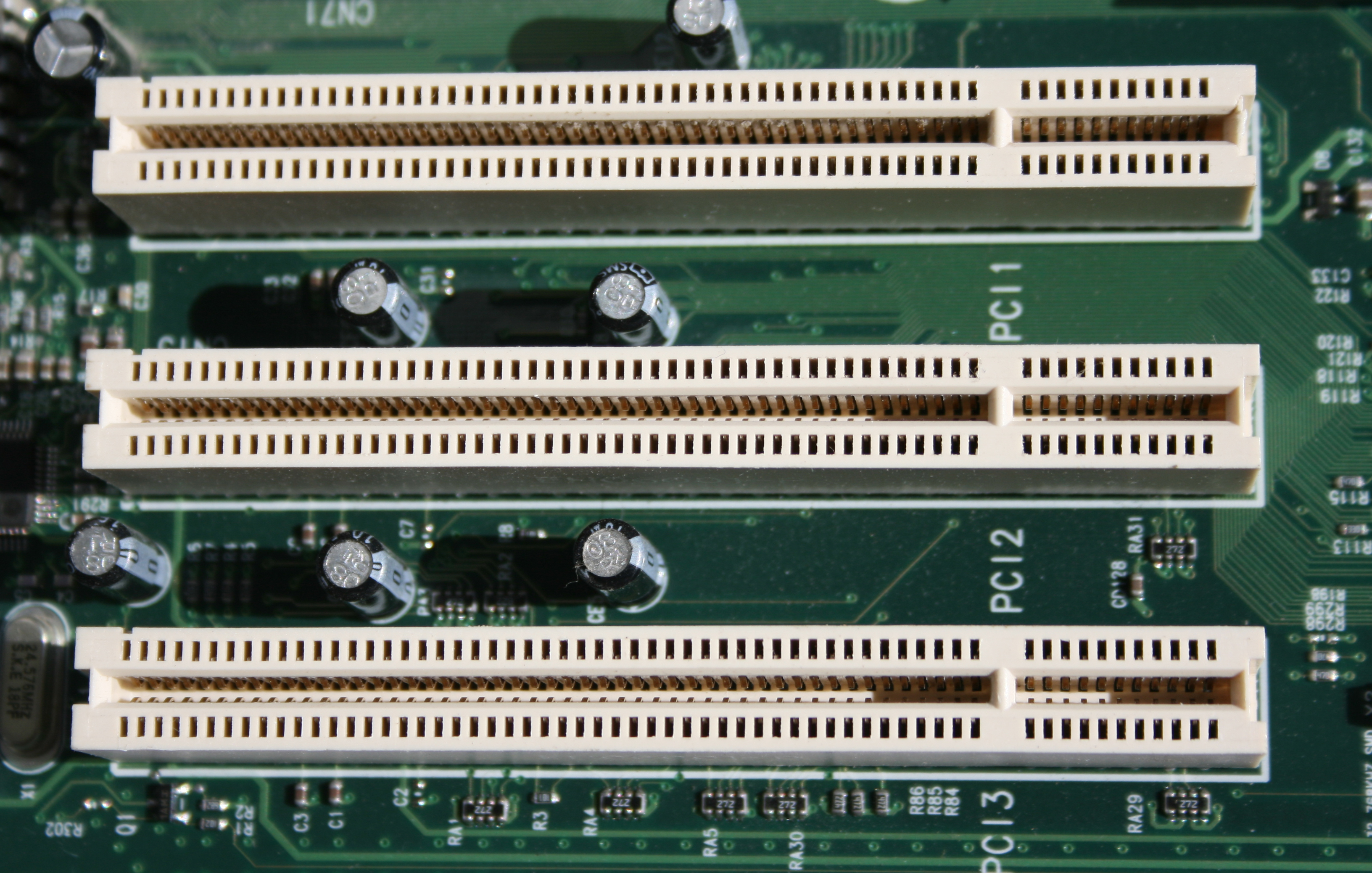
Expansion Card Slot - a printed circuit board that can be inserted into an expansion slot of a computer motherboard to add additional functionality to a computer system.

Hard Drive - a non-volatile storage device which stores digitally encoded data on rapidly rotating platters with magnetic surfaces. Strictly speaking, "drive" refers to a device distinct from its medium, such as a tape drive and its tape, or a floppy disk drive and its floppy disk.

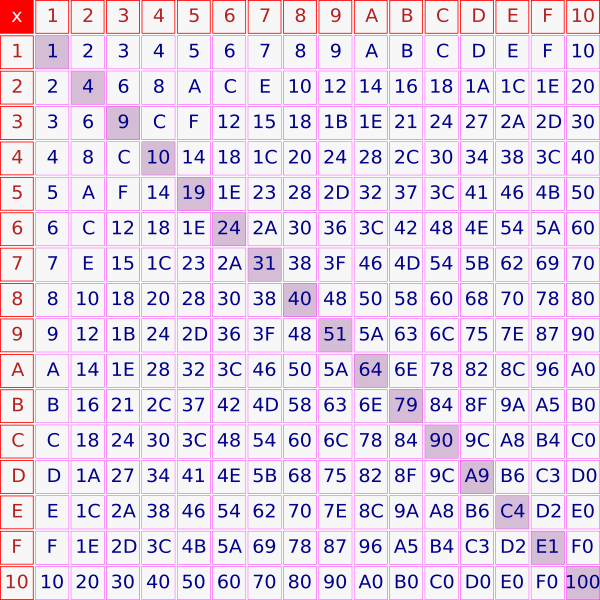
Hexadecimal Number System - a numeral system with a radix, or base, of 16. It uses sixteen distinct symbols, most often the symbols 0–9 to represent values zero to nine, and A, B, C, D, E, F (or a through f) to represent values ten to fifteen.
Mother board- A motherboard is the central printed circuit board in some complex electronic systems, such as modern personal computers.

Hot swap- changing components without significant interruption to the system

RAM-integrated circuits that allow the stored data to be accessed in any order

Parallel Computing- a form of computation in which many calculations are carried out simultaneously

IDE Ribbons- are interface standards for the connection of storage devices such as hard disks, solid-state drives, and CD-ROM drives in computers.

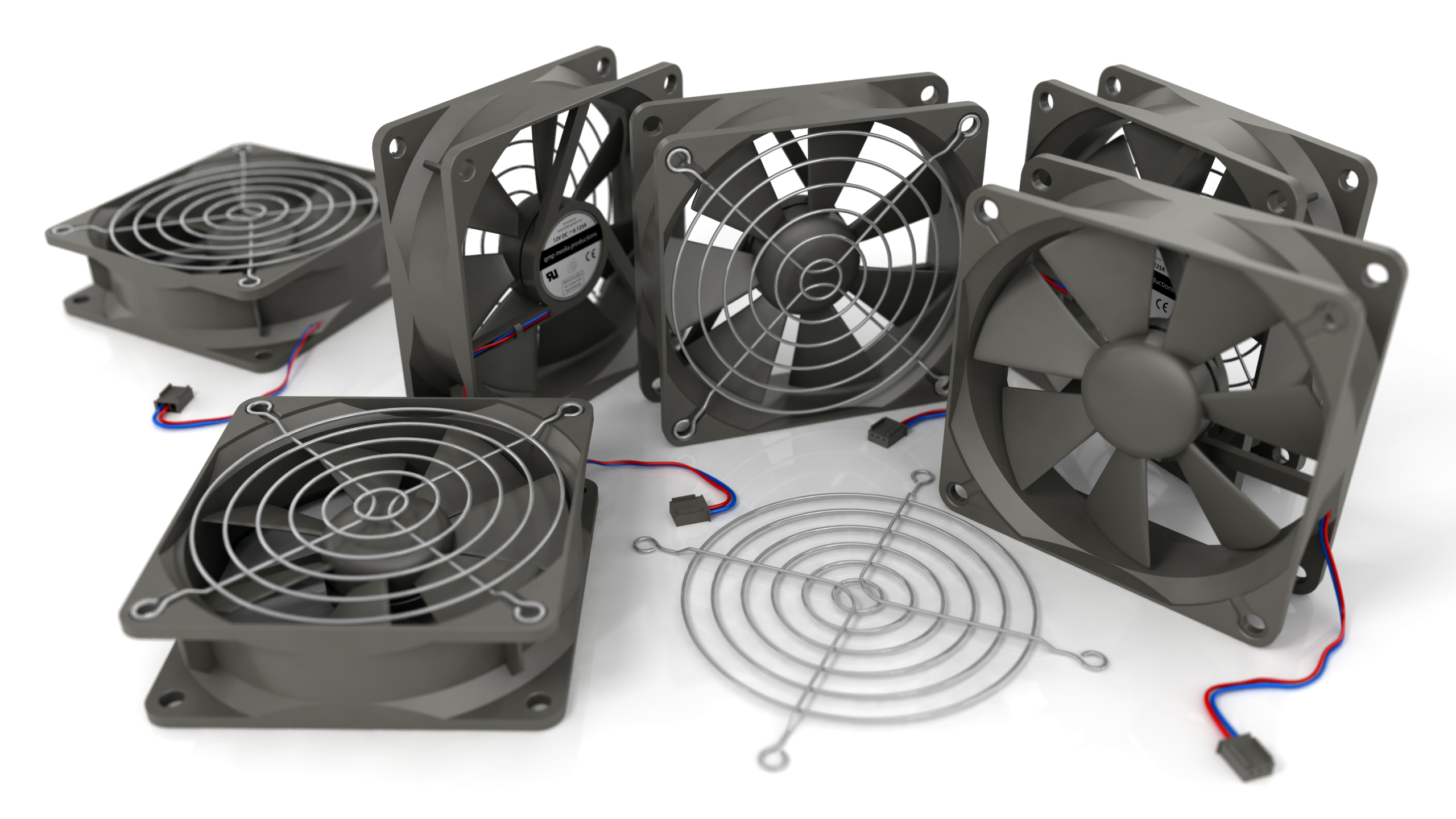
Cooling Fans-any fan inside a computer case used for cooling purposes, and may refer to fans that draw cooler air into the case from the outside, expel warm air from inside, or move air across a heatsink to cool a particular component.
Power-on-Self-Test- he common term for a computer, router or printer's pre-boot sequence. The same basic sequence is present on all computer architectures. It is the first step of the more general process called initial program load (IPL), booting, or bootstrapping.

PCI-a computer bus for attaching hardware devices in a computer. These devices can take either the form of an integrated circuit fitted onto the motherboard itself, called a planar device in the PCI specification or an expansion card that fits into a socket

No comments:
Post a Comment